
Penetration Testing vs. Vulnerability Scanning
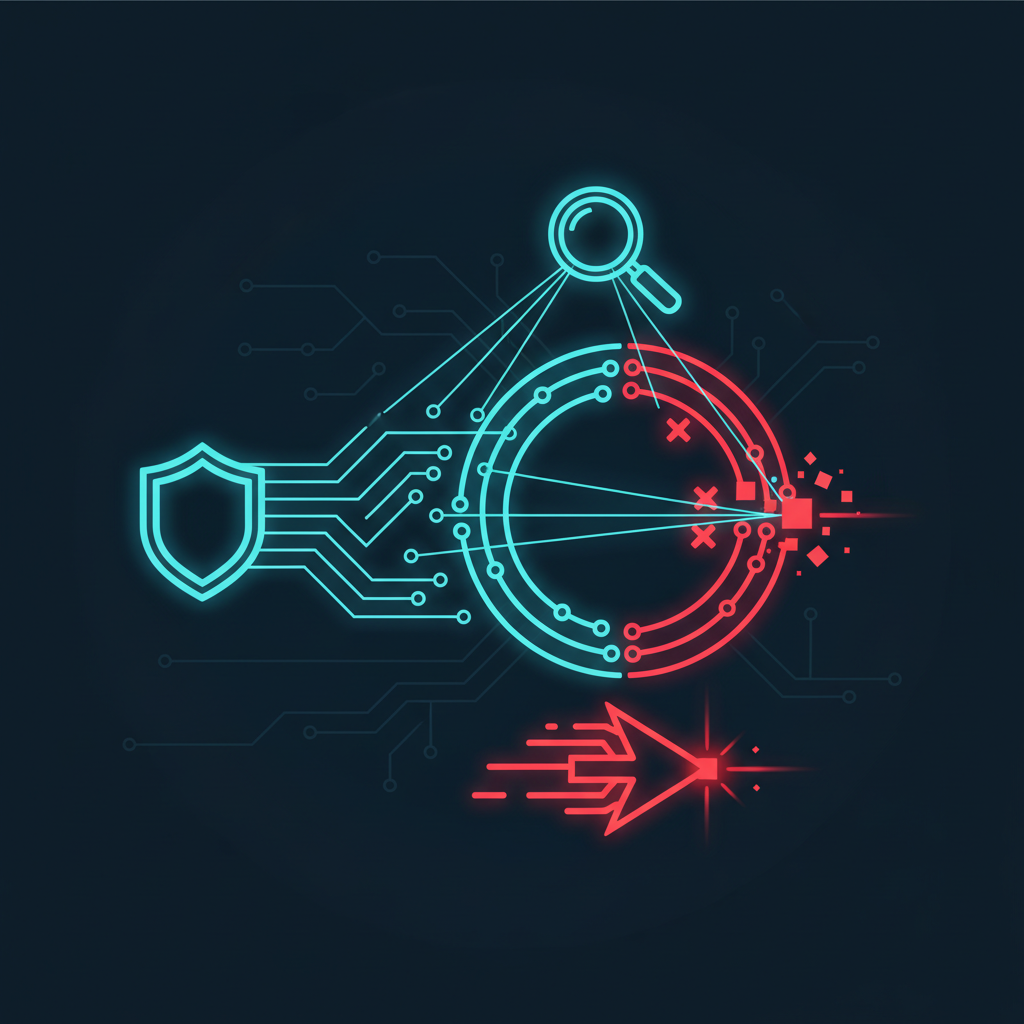
Stop Confusing Breadth with Depth
In cybersecurity, assuming all testing methodologies are equal is a critical error; it creates a false sense of security that threat actors are eager to exploit. Two foundational practices, vulnerability scanning and penetration testing, are frequently misunderstood and used interchangeably. This confusion is dangerous. One provides a wide-angle view of known issues; the other provides a deep, focused analysis of exploitable pathways. Understanding their distinct purposes, strengths, and applications is not just a matter of semantics; it is fundamental to building a resilient security program.
This guide dissects the differences, clarifies the use cases, and outlines how to integrate both into a formidable, layered defense strategy.
Vulnerability Scanning: The Automated Watchdog
Vulnerability scanning is an automated, high-velocity process designed to identify known vulnerabilities across your digital infrastructure. Using specialized tools, these scans check systems, networks, and applications against vast databases of known security flaws, misconfigurations, and missing patches.
Think of it as a systematic, automated checklist. It's designed for breadth and consistency, providing a continuous overview of your security hygiene.
Key characteristics include:
- Approach: Primarily tool-driven with minimal human intervention.
- Scope: Broad, covering hundreds or thousands of assets efficiently.
- Depth: Identifies known vulnerabilities based on signatures and patterns; it doesn't discover novel or zero-day flaws.
- Frequency: High; can be performed continuously, daily, or weekly as part of ongoing operations.
Core Purpose: To rapidly and continuously identify a wide range of known security weaknesses and misconfigurations across the attack surface.
Scans are essential for maintaining a baseline security posture and meeting many compliance requirements. They answer the question: "Do we have any known, unpatched vulnerabilities?"
Penetration Testing: The Simulated Adversary
A penetration test, or pen test, is a controlled and authorized simulation of a real-world attack against your systems. It is an objective-driven, manual exercise conducted by skilled security professionals who think and act like malicious attackers. Their goal is not just to find vulnerabilities but to actively exploit them to determine the potential business impact.
A pen test moves beyond simple identification; it demonstrates exploitability.
Key characteristics include:
- Approach: Primarily human-driven, leveraging creativity, logic, and expertise.
- Scope: Targeted, focusing on specific applications, networks, or attack scenarios.
- Depth: Explores complex attack chains, business logic flaws, and unknown vulnerabilities that automated scanners miss.
- Frequency: Lower; typically performed periodically (e.g., quarterly or annually) due to its intensity and cost.
Core Purpose: To simulate a real-world attack, validate security controls, and understand the potential business impact of a successful breach.
Penetration tests answer a more critical question: "Can an attacker breach our defenses, and what damage could they do?"
At a Glance: Scanning vs. Testing
The most effective way to grasp the distinction is through a direct comparison. The following table breaks down the core differences:
| Aspect | Vulnerability Scanning | Penetration Testing |
|---|---|---|
| Purpose | Identify known vulnerabilities | Simulate real-world attacks & assess impact |
| Methodology | Automated, tool-based detection | Manual, human-driven exploitation |
| Scope | Broad and comprehensive | Narrow and deep; goal-oriented |
| Business Context | Limited consideration | Core to the assessment; measures business risk |
| Exploitation | No actual exploitation occurs | Actively exploits vulnerabilities in a controlled manner |
| False Positives | Can be common; requires validation | Less frequent; findings are typically validated |
| Reporting | A list of technical findings and severities | A narrative report detailing attack paths and impact |
| Cost | Lower cost, highly scalable | Higher cost, specialized expertise required |
| Frequency | Continuous, daily, or weekly | Periodic; quarterly or annually |
Building an Integrated Testing Strategy
Choosing between vulnerability scanning and penetration testing is a false dilemma; a mature security program requires both. They are complementary components of a layered testing strategy, not competing alternatives.
Establish a Foundational Baseline with Scanning
Your program must start with continuous, automated vulnerability scanning. This is your first line of defense against common threats. Implement authenticated scans for deeper insights and integrate the process directly into your CI/CD pipeline to catch vulnerabilities before they reach production. The data from these scans provides the high-level visibility needed to manage your attack surface daily.Validate and Deepen with Penetration Testing
Once you have a handle on known vulnerabilities, use periodic penetration tests to challenge your defenses. These tests should be targeted at your most critical assets and business functions. A pen test can validate the findings from your scanners, uncover complex logic flaws that tools cannot see, and test the effectiveness of your detection and response capabilities (i.e., your SOC and EDR tools).Mature with Specialized Assessments
As your program evolves, introduce more advanced testing:- Red Team Exercises: Goal-oriented campaigns that test your organization's entire detection and response capability over weeks or months.
- Application Security (AppSec) Testing: In-depth testing of custom applications, including code review and business logic analysis.
- Social Engineering Campaigns: Test your human firewall against phishing, vishing, and other manipulation tactics.
Your Defenses Are Only as Good as Their Last Test
Vulnerability scanning provides the constant vigilance needed to manage a large and dynamic attack surface; it is the foundation of good security hygiene. Penetration testing provides the adversarial perspective required to understand true risk and prepare for sophisticated attacks.
Neglecting one for the other leaves you exposed. Automated scans alone miss the nuance and creativity of a human attacker, while infrequent pen tests without continuous scanning allow known vulnerabilities to pile up. Integrate both into a cohesive, risk-based strategy to build a security posture that is both resilient and verifiable.
END_OF_FILE
HASH: PT81ILM4XBQ
Related Intelligence

Why Executives Are the #1 Target: A Guide to Executive Protection in Cybersecurity
Executive protection cybersecurity explained: why attackers target the C-suite, the four vectors they use, and how to monitor VIP credentials.

Brand Impersonation: The 7 Channels Attackers Use to Clone Your Business
Brand impersonation protection starts with knowing the 7 channels attackers use to clone your business — and how fast takedowns shut them down.

Infostealer Malware Explained: How One Click Leaks Your Entire Company
Infostealer malware turns one click into a full company breach. See what's inside a stealer log and why stolen session cookies beat MFA.
Ready to Secure Your Infrastructure?
Join forward-thinking engineering teams who trust Flawtrack for continuous vulnerability scanning and threat detection.
Get Started Now