
Bank Rakyat Breach: Malaysia's Mandatory Notification Era
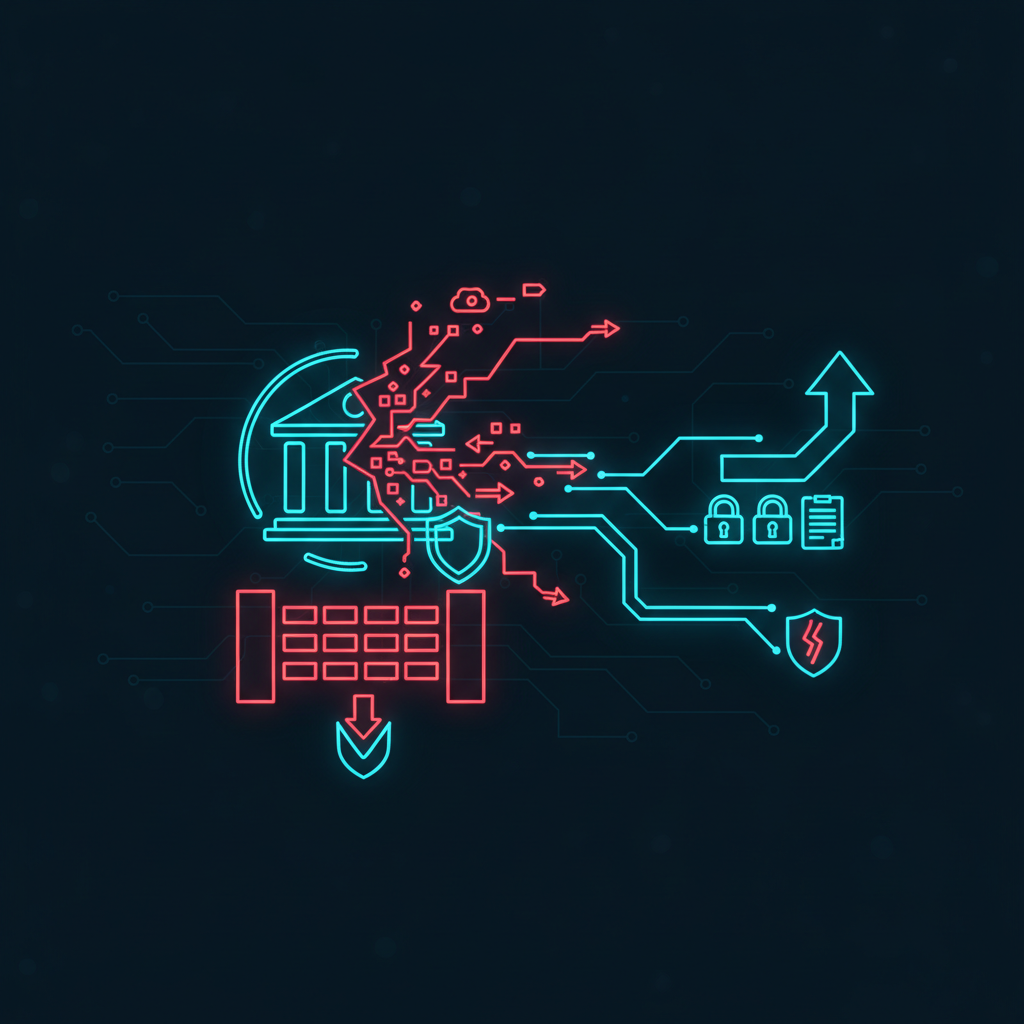
The Unseen Threat Becomes Unignorable
Malaysia's digital economy is accelerating; unfortunately, so are the cyber threats that target it. High-profile data breaches are no longer distant headlines; they are immediate business risks. The recent Bank Rakyat incident serves as a critical case study, but it's the incoming mandatory data breach notification law that truly changes the stakes for every organization operating in Malaysia. Complacency is no longer an option; proactive defense is the only viable strategy.
Malaysia's Data Breach Epidemic
The cybersecurity landscape in Malaysia is under siege. Data breaches are not just frequent; they are a primary attack vector for threat actors. Consider the latest intelligence:
- Pervasive Threat: Data breach incidents constituted over 10% of all cyber incidents reported to MyCERT in Q3 2024.
- High-Value Targets: Personally Identifiable Information (PII) is the primary target, including national ID numbers, financial details, and contact information.
- Extortion on the Rise: Ransomware attacks that include data exfiltration before encryption surged by 78% in Q4 2024.
These figures illustrate a clear and present danger; financial institutions remain prime targets, but no sector is immune.
Anatomy of an Incident: The Bank Rakyat Breach
In September 2024, Bank Rakyat, a cornerstone of Malaysia's financial sector, disclosed a "possible data infringement." While the bank's response was swift—containing the breach and notifying customers directly—the incident is a sobering reminder that even organizations with robust security postures are vulnerable.
The bank successfully contained the immediate threat and reported the incident to authorities; however, the real fallout often begins after containment. The exposed data creates a long tail of risk, fueling phishing campaigns, identity theft, and fraud. This incident is a textbook example of why post-breach detection and mitigation are just as critical as prevention.
The Regulatory Hammer Drops: Mandatory Breach Notification
The game is about to change permanently. In February 2025, Malaysia's Personal Data Protection Commissioner issued the Guidelines on Data Breach Notification (DBN Guidelines). This framework, supporting the Personal Data Protection Act 2010 (PDPA), introduces mandatory breach notification requirements effective 1 June 2025.
This is not a minor policy update; it is a fundamental shift in corporate responsibility and liability.
Key Mandates of the DBN Guidelines:
- Mandatory Reporting: Organizations must report significant data breaches to both the Commissioner and the affected individuals.
- Strict Timelines: Notification is not optional and must occur within a specific, unforgiving timeframe after a breach is discovered.
- Comprehensive Documentation: You must maintain detailed records of every breach, its impact, and your response.
- Formal Risk Assessment: Every incident requires a formal evaluation of the potential harm to individuals whose data was compromised.
- Required Remediation: A clear breach response and remediation plan is not just best practice; it is a regulatory expectation.
These rules align Malaysia with global data protection standards like GDPR; they introduce significant financial and reputational penalties for non-compliance.
Seeing in the Dark: The Critical Role of Dark Web Monitoring
How can you report a breach you don't know has happened? Traditional security tools often fail to detect data loss until it's too late. Your data often appears for sale on the dark web long before an internal system flags an anomaly. Dark Web Monitoring is the essential, proactive security layer that provides this crucial early warning.
It works by continuously scanning dark web forums, illicit marketplaces, and private criminal channels for your organization's sensitive data:
- Leaked employee and customer credentials
- Exposed API keys and source code
- Stolen PII and financial records
- Compromised corporate documents
- Credentials for system access
When a match is found, you receive an immediate alert; this allows you to act before threat actors can weaponize the stolen data.
Flawtrack: Your Eyes on the Dark Web
Flawtrack's advanced Dark Web Monitoring service offers Malaysian organizations unparalleled visibility into post-breach data exposure. Our platform provides comprehensive coverage far beyond the surface web, including private forums, Telegram channels, and specialized data leak repositories.
Our intelligence platform delivers proven results:
- 89% of breaches are detected by our system before the organization is aware through other means.
- We provide an average early detection time of 47 days before public disclosure.
- Clients see a 76% reduction in financial impact from breaches due to early warning.
- Our monitoring has a 93% success rate in preventing credential-based attacks following a breach.
We provide real-time, actionable alerts, not just raw data. This intelligence drastically shortens the dwell time between compromise and response, directly minimizing damage and supporting your compliance with the new DBN Guidelines.
Case Study: Proactive Defense for a Malaysian Financial Institution
A leading Malaysian financial institution deployed Flawtrack's Dark Web Monitoring in early 2024. The results were immediate and impactful. Within 90 days, our system identified:
- 1,247 leaked customer credentials from an undiscovered third-party breach.
- 37 unique employee email and password combinations available in data dumps.
- 3 sets of privileged access credentials being actively traded on a dark web forum.
This early warning enabled the institution to launch a swift, targeted response:
- Immediately reset all compromised credentials.
- Proactively notify affected customers and enforce password updates.
- Implement heightened multi-factor authentication for high-risk accounts.
The institution estimated these proactive measures prevented approximately RM4.7 million in potential fraud losses and drastically reduced their regulatory and reputational risk.
Your Blueprint for the New Era of Breach Notification
With the June 1, 2025 deadline approaching, every Malaysian organization must act now.
1. Implement Comprehensive Monitoring
Deploy robust Dark Web Monitoring to get early warnings on leaked data; supplement this with internal monitoring for unusual data access and network activity.
2. Formalize Your Breach Response Plan
Develop a detailed incident response playbook aligned with the DBN Guidelines. Assign clear roles, prepare communication templates, and conduct regular tabletop exercises to ensure readiness.
3. Harden Your Data Protection Measures
Enforce data minimization, encrypt all sensitive data at rest and in transit, and mandate multi-factor authentication. Regularly audit access controls to enforce the principle of least privilege.
4. Prepare for Mandatory Notification
Train your legal, IT, and communications teams on the specific requirements of the DBN Guidelines. Establish a formal process for assessing breach severity and preparing notifications for both the authorities and affected individuals.
Conclusion: Adapt or Be Victimized
The Bank Rakyat breach is a symptom of a larger trend; the new mandatory notification law is the consequence. The era of reactive cybersecurity is over. Malaysian organizations face a clear choice: adapt to the new reality with proactive measures or face the financial, regulatory, and reputational consequences of a breach.
Dark Web Monitoring is no longer a luxury for the security-mature; it is a foundational requirement for any organization serious about protecting its data and complying with the law.
Ready to see what's lurking in the dark? Contact Flawtrack today for a comprehensive risk assessment and see how our Dark Web Monitoring can protect your organization.
END_OF_FILE
HASH: VJZIKUE52DO
Related Intelligence
Why Executives Are the #1 Target: A Guide to Executive Protection in Cybersecurity
Executive protection cybersecurity explained: why attackers target the C-suite, the four vectors they use, and how to monitor VIP credentials.
Brand Impersonation: The 7 Channels Attackers Use to Clone Your Business
Brand impersonation protection starts with knowing the 7 channels attackers use to clone your business — and how fast takedowns shut them down.
Infostealer Malware Explained: How One Click Leaks Your Entire Company
Infostealer malware turns one click into a full company breach. See what's inside a stealer log and why stolen session cookies beat MFA.
Ready to Secure Your Infrastructure?
Join forward-thinking engineering teams who trust Flawtrack for continuous vulnerability scanning and threat detection.
Get Started Now