
Dark Web Monitoring Tools: A Guide for 2026
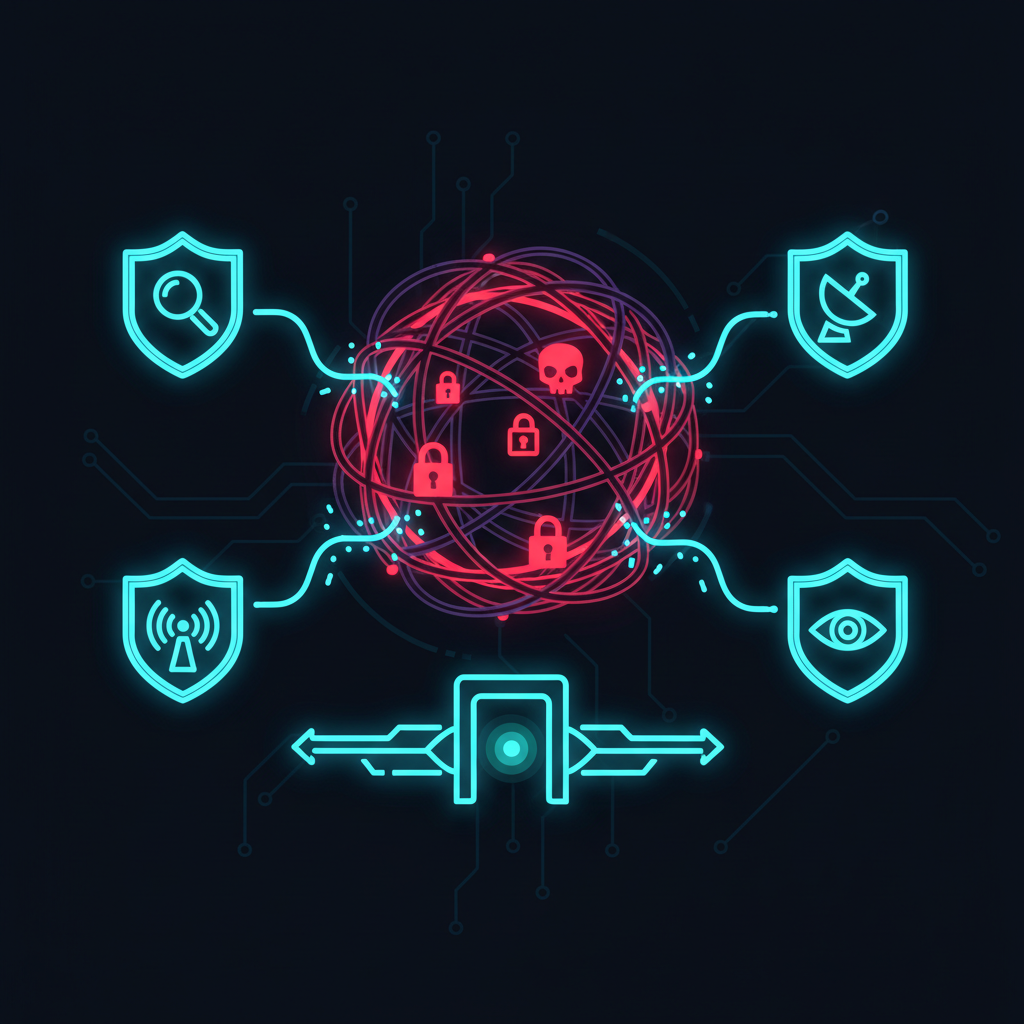
Your Data is Already Exposed; Act Accordingly
Dark web monitoring is not a magic shield; it is an early-warning and exposure-validation system. Its purpose is to inform you that your organization's or employees' data is already circulating in underground forums, markets, or stealer logs. This intelligence is not for 'removal'; it is a critical trigger to rotate credentials, tighten access controls, and mitigate downstream fraud and account takeover. In 2026, treating dark web intelligence as actionable threat data is a baseline security function, not an advanced one.
What to Monitor in 2026: The Essential Surface
Effective monitoring requires a precise focus on assets that, if compromised, pose a direct threat to your organization. Your scope must include a mix of personal and corporate identifiers.
- Personnel Data: Monitor personal emails, phone numbers, physical addresses, and usernames. For specific industries or regions, this extends to National IDs or Social Security Numbers.
- Corporate Assets: Actively track your company domain(s), all employee email addresses, VIP and executive email accounts, brand names, and the domains of key suppliers and partners.
- Credential-Specific Indicators: Go beyond simple email addresses; monitor for leaked passwords, mentions in infostealer logs, session hijacking data, and indicators of widespread password reuse.
The 2026 Dark Web Monitoring Tool Stack
A resilient monitoring strategy relies on a layered stack of specialized tools. No single tool covers every vector; therefore, a combination is essential for comprehensive visibility.
1. Breach and Credential Exposure Checks
This is your foundational layer for identifying exposure in publicly indexed data breaches and credential leaks.
- Have I Been Pwned (HIBP): A globally recognized service for checking if an email address has appeared in known data breaches. It is the essential, low-friction baseline for both individuals and corporate security teams.
- FlawTrack Credential Leak Scanner: This tool extends beyond traditional breach dumps; it specifically scans for email and domain exposure in infostealer logs and active dark web markets. It provides a crucial signal for more immediate threats like session hijacking and active credential trading.
How to Use Exposure Scanners Safely
- Never enter passwords into any third-party scanner. Legitimate services only require an email address or domain for lookups.
- Treat all results as unverified leads. Your next step is to correlate the findings with your internal logs (e.g., IdP sign-in attempts, impossible travel alerts, anomalous MFA prompts, new mailbox forwarding rules) to validate the threat.
2. Ransomware Victim Tracking
Situational awareness of the ransomware landscape is critical for proactive incident response and threat modeling.
- Ransomware.live: This platform aggregates and tracks the victims publicly named by various ransomware gangs on their data leak sites. It is an indispensable resource for security operations and leadership.
Your workflow should be clear: monitor for your organization's name, subsidiaries, brands, and key partner domains. A positive hit on Ransomware.live must not be taken as absolute truth; it should immediately trigger your incident triage process, engaging your IR, legal, and communications teams to validate indicators and preserve evidence.
3. CTI Source Discovery and OSINT Monitoring
For mature security teams, direct monitoring of sources is the next logical step; this requires significant operational discipline.
- deepdarkCTI (GitHub Repository): This is a curated collection of deep and dark web sources intended for cyber threat intelligence professionals. It provides a starting point for building a legal, well-governed list of forums and markets to monitor for defensive research.
- Dark Web Informer: A CTI-focused site that publishes digest-style reports on threats, breaches, and ransomware activity. It offers a more processed intelligence feed, which can be valuable for teams without the resources for raw source analysis.
A Critical Safety Note
Avoid allowing 'source discovery' to become 'uncontrolled data handling.' Your organization should not be downloading or storing leak samples or stolen data unless there is an explicit legal or incident response justification, a locked-down process for handling evidence, and clear chain-of-custody protocols.
Major Platform Shift: Google's Dark Web Report is Sunsetting
Organizations relying on Google's Dark Web Report must prepare for its discontinuation. This is a significant change in the free monitoring landscape.
- Google will stop scanning for new results on January 15, 2026.
- The feature and all associated data will become unavailable and be deleted by February 16, 2026.
The implication is clear: you have a limited time to migrate your monitoring workflows to alternative solutions. A combination of HIBP for baseline breach notifications and a credential-focused scanner like FlawTrack for stealer log exposure is a direct and effective replacement.
Quick Comparison: When to Use What
| Need | Best Starting Tool(s) | Why |
|---|---|---|
| “Did my email appear in old data breaches?” | Have I Been Pwned (HIBP) | Simple, reputable, and provides a solid baseline for breach history. |
| “Are our credentials in active stealer logs or markets?” | FlawTrack Credential Leak Scanner | Focused on immediate credential exposure beyond classic breach lists. |
| “Are we being named by ransomware groups?” | Ransomware.live | Directly tracks victim claims and ransomware group activity for IR triggers. |
| “How can we build a CTI monitoring source list?” | deepdarkCTI (GitHub) | Provides a curated list of sources for teams building a formal CTI program. |
| “What about Google's Dark Web Report?” | Do not build on it. | The service is being discontinued in early 2026; migrate away now. |
Your 2026 Monitoring Playbook
For Individuals
- Check Primary Emails: Run your primary personal email addresses through HIBP and enable breach notifications.
- Scan for Active Leaks: Periodically run your email through the FlawTrack scanner to check for more recent, active threats.
- Act on Hits: If you find a compromise, immediately change the password on the affected service and any other service where you reused it. Enable MFA everywhere and migrate to passkeys where supported.
For Businesses (SMB to Enterprise)
- Automate Monitoring: Implement continuous monitoring for your corporate domains and executive email accounts using a combination of HIBP-style breach data and a stealer log/credential scanner.
- Integrate Ransomware Tracking: Add Ransomware.live to your team's weekly threat intelligence review and formally integrate it into your IR plan as a trigger for a 'named victim' scenario.
- Develop a Triage Rubric: Create a simple system to classify alerts:
- High: Exposed credentials correlated with recent unusual login activity; confirmed stealer log indicators; a public naming by a ransomware group.
- Medium: Exposure in an old data breach with no evidence of active credential reuse.
- Low: Unverifiable or duplicate information reposted on low-tier forums.
Red Flags When Choosing a Monitoring Service
Be skeptical of services that make unrealistic claims. Watch for these red flags:
- “We will remove your data from the dark web.” This is almost always impossible and is a deceptive marketing claim.
- Requires you to upload passwords or sensitive documents for 'verification.' This is an extreme security risk.
- No clear privacy policy, data retention schedule, or dispute process. A professional service will be transparent about how it handles your data.
END_OF_FILE
HASH: Q1L0TOB9HR
Related Intelligence
Why Executives Are the #1 Target: A Guide to Executive Protection in Cybersecurity
Executive protection cybersecurity explained: why attackers target the C-suite, the four vectors they use, and how to monitor VIP credentials.
Brand Impersonation: The 7 Channels Attackers Use to Clone Your Business
Brand impersonation protection starts with knowing the 7 channels attackers use to clone your business — and how fast takedowns shut them down.
Infostealer Malware Explained: How One Click Leaks Your Entire Company
Infostealer malware turns one click into a full company breach. See what's inside a stealer log and why stolen session cookies beat MFA.
Ready to Secure Your Infrastructure?
Join forward-thinking engineering teams who trust Flawtrack for continuous vulnerability scanning and threat detection.
Get Started Now