
Malaysia's 2024 Cyber Threats: A Year in Review
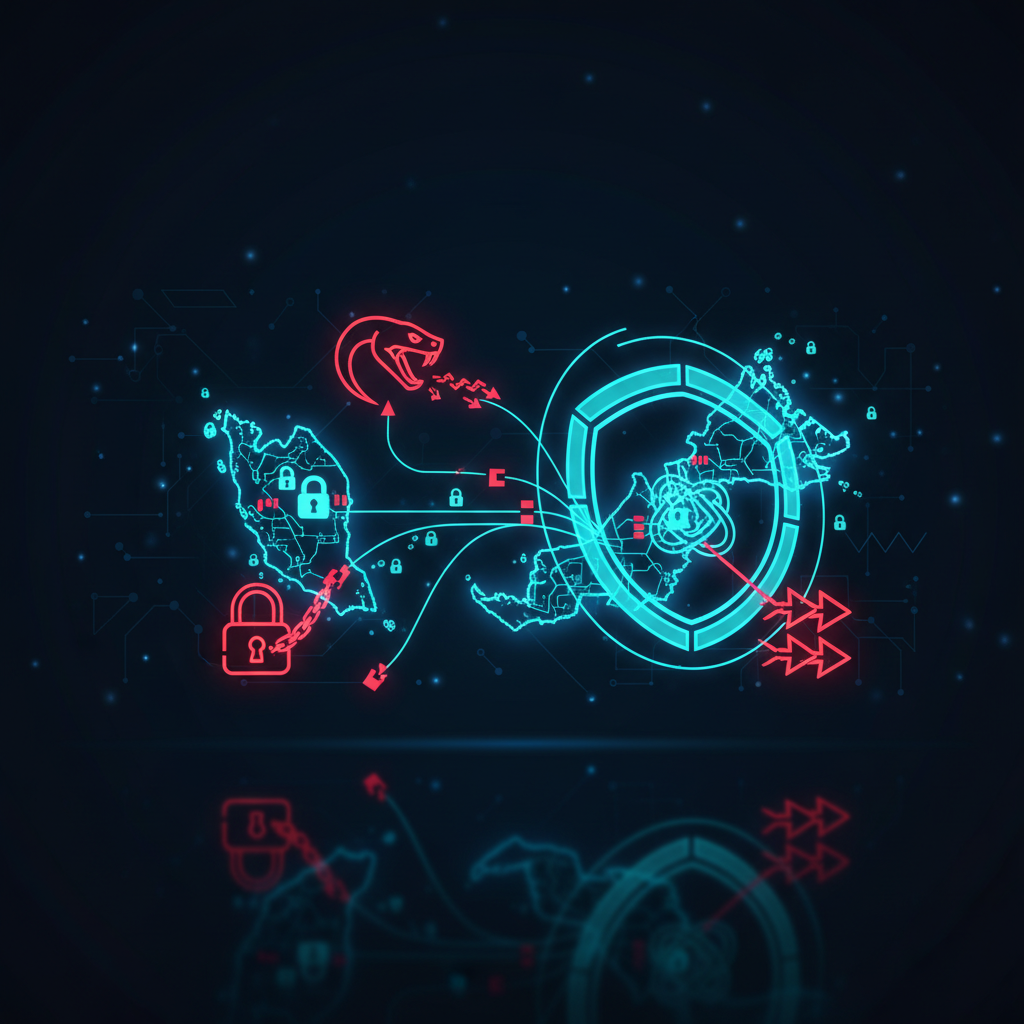
A Defining Year for Malaysian Cybersecurity
2024 was a watershed moment for Malaysia's digital landscape; it was a year defined by sophisticated cyber-attacks, large-scale data breaches, and critical challenges to governmental infrastructure. The events of this past year serve as a stark reminder that cyber resilience is no longer an IT issue but a national security imperative. Let's dissect the key incidents that shaped the threat landscape and the critical lessons learned.
Ransomware Cripples Transportation: The Prasarana Attack
In August, the RansomHub ransomware group executed a devastating attack on Prasarana Malaysia Berhad, the operator of major public transport services. The attack exfiltrated 316 GB of sensitive operational and corporate data, disrupting services and exposing the profound vulnerabilities within Malaysia's critical national infrastructure. This incident was a clear signal that public-facing systems are high-value targets for threat actors seeking to cause widespread disruption for financial gain; their defenses must be hardened accordingly.
National Identity at Risk: The 17 Million Record MyKAD Leak
Late in the year, a catastrophic data breach exposed the MyKAD records of 17 million Malaysians. National identification details were listed for sale on dark web forums, creating a fertile ground for mass identity theft, financial fraud, and social engineering campaigns. The breach severely eroded public trust in digital data stewardship and highlighted significant gaps in security posture. The immediate fallout demands urgent action; the Personal Data Protection Act (PDPA) must be rigorously enforced, and secure data handling practices must become non-negotiable across all sectors, public and private.
Internal Threats: Government ICT Procurement Under Scrutiny
A deeply concerning conspiracy involving government officials and ICT system suppliers came to light in 2024, revealing vulnerabilities not just in technology but in procurement processes. This case of insider threat and collusion sparked a national conversation about transparency, accountability, and the inherent risks of compromised supply chains. The critical lesson is that technological defenses are insufficient without robust oversight and governance; vetting personnel and suppliers is as crucial as deploying firewalls.
Institutional Cyber Threats Go Global
Prominent Malaysian institutions, including the Employees Provident Fund (KWSP), the Election Commission (SPR), and the Malaysia Gazette, were not spared from the onslaught of cyber-attacks. Several of these incidents were linked to globally operating threat groups like the Solana-affiliated hackers, demonstrating the international and interconnected nature of modern cyber threats. This trend underscores the necessity for organizations to move beyond reactive security measures. Adopting multi-layered security frameworks, enriched with proactive, intelligence-driven threat monitoring and rapid detection capabilities, is now essential for survival.
The Crypto Aftermath: Atomic Wallet Hack Losses Continue
While the Atomic Wallet hack technically occurred in 2023, its devastating financial impact reverberated throughout 2024 for Malaysian cryptocurrency users. Victims continued to grapple with losses from the over $100 million stolen, highlighting persistent security weaknesses in the decentralized finance (DeFi) ecosystem. This ongoing saga serves as a painful reminder that the DeFi space requires more stringent security audits, better user education on wallet security, and clearer regulatory oversight to mitigate future risks.
Public Data, Private Leaks: Government Repositories Exposed
In February, a significant security lapse resulted in sensitive information from government bodies, including the Malaysian Armed Forces and the Ministry of Home Affairs, being leaked on GitHub. This exposure of public records on a public platform pointed to fundamental failures in digital hygiene and access control management. To prevent recurrences, immediate steps are required; implementing stricter access controls, enforcing multi-factor authentication, and conducting regular security audits of all data repositories are foundational to closing these dangerous gaps.
Looking Ahead: Key Cybersecurity Trends for 2025
The lessons of 2024 must inform the strategy for 2025. Organizations and government bodies must prepare for an evolving threat landscape by focusing on several key areas:
- Protecting Critical Sectors: Expect a heightened focus on fortifying the digital defenses of transportation, utilities, and healthcare sectors, which have proven to be prime targets.
- Reinforcing Data Laws: There will be increased pressure to expand and strengthen PDPA provisions to address the growing scale and complexity of cyber threats and data processing activities.
- Monitoring Emerging Threats: Proactive threat hunting through advanced intelligence systems and continuous monitoring tools will become standard practice, not a luxury.
- Adopting Zero-Trust Systems: The principle of "never trust, always verify" will drive the adoption of Zero-Trust architectures, ensuring every user and device is authenticated and authorized before gaining access, regardless of location.
- Raising Security Awareness: Building a culture of security awareness across both public and private organizations will be critical to mitigating risks from phishing, social engineering, and insider threats.
2024 was a challenging and revealing year for Malaysia's cybersecurity posture. It provided invaluable, albeit harsh, lessons in resilience, vigilance, and the absolute necessity of public-private collaboration. By addressing the vulnerabilities exposed and strategically preparing for the challenges ahead, Malaysia can forge a more secure and resilient digital ecosystem for all its citizens and organizations.
END_OF_FILE
HASH: 13URHKHFYY1H
Related Intelligence
Why Executives Are the #1 Target: A Guide to Executive Protection in Cybersecurity
Executive protection cybersecurity explained: why attackers target the C-suite, the four vectors they use, and how to monitor VIP credentials.
Brand Impersonation: The 7 Channels Attackers Use to Clone Your Business
Brand impersonation protection starts with knowing the 7 channels attackers use to clone your business — and how fast takedowns shut them down.
Google Ends Dark Web Reports
Google is shutting down its Dark Web Report tool, citing a lack of actionable insights. Discover what this means for your security and why it's a critical moment for organizations.
Ready to Secure Your Infrastructure?
Join forward-thinking engineering teams who trust Flawtrack for continuous vulnerability scanning and threat detection.
Get Started Now